
ARTICLES / BLOG
Oil, the Lifeblood of the Economy
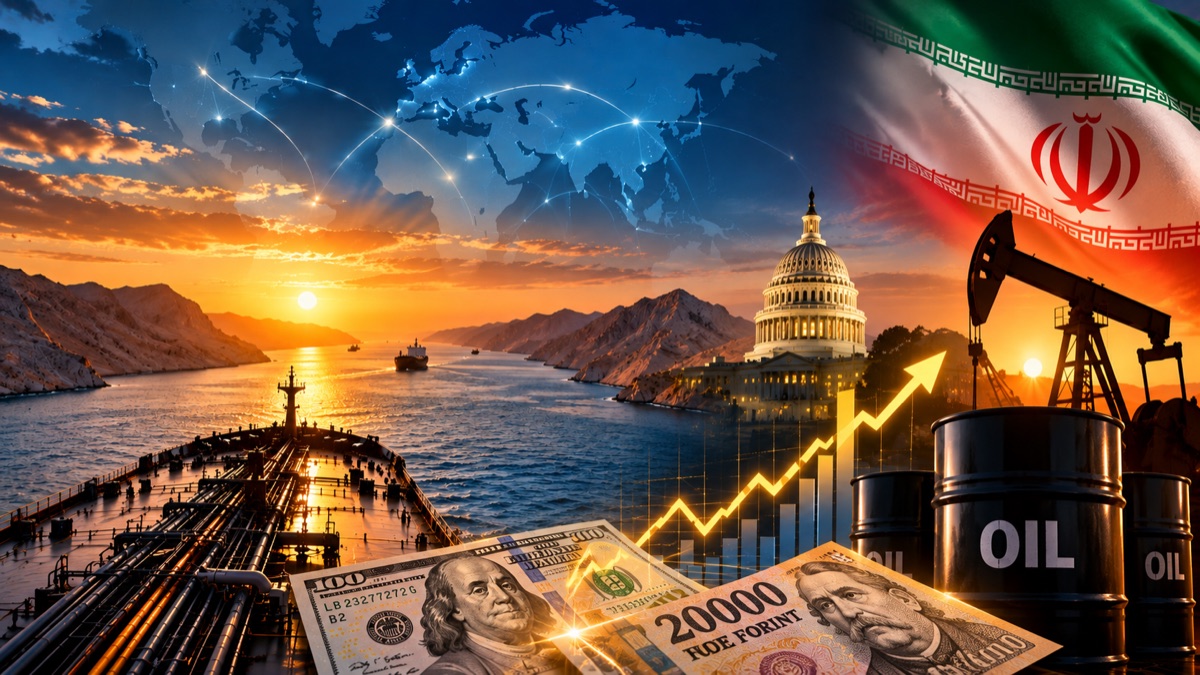
The first quarter of the 21st century has largely been about finding ways to reduce our reliance on oil in energy production and transportation. One of the main reasons has been the need to reduce emissions. At the same time, technologies capable of partly replacing fossil fuels have continued to develop at an accelerating pace. Solar and wind power are becoming increasingly widespread, electric mobility is expanding, and electricity is playing an ever greater role in both industry and households.
None of this, however, means that oil and natural gas will disappear from our lives overnight. They remain so deeply embedded in the functioning of the global economy that it is difficult to imagine our everyday lives without them.
Oil is far more than simply the fuel we put into our cars. It plays a role in transportation, chemicals, pharmaceuticals, cosmetics, textiles, packaging and agriculture. This is why changes in oil prices affect us much more directly than we might initially think.
When global oil prices rise, one of the first consequences we notice is higher fuel prices. This also increases transportation costs — and since nearly every product must travel from producer to consumer, those higher costs can eventually feed through into the prices of goods.
This is where the price of oil becomes a financial issue that directly affects our everyday lives.
Higher energy and commodity prices can contribute to rising inflation. If inflation remains persistently high, one of the tools available to central banks is to raise interest rates. Higher interest rates, in turn, make borrowing and business financing more expensive. At the same time, newly available interest-bearing savings products and bonds may offer higher yields, while the market value of existing fixed-rate bonds may decline.
For this reason, inflation should not necessarily be viewed simply as either “good” or “bad.” As is so often the case in economics, the answer is: “It depends.” If we have savings, an important question is whether the return on those savings is sufficient to preserve their purchasing power. On the other hand, if we have a long-term, fixed-rate loan, higher inflation may, under certain circumstances, work in our favor because the real value of the outstanding debt may decline.
Oil, however, ceased to be merely an economic issue a long time ago. Its geopolitical and domestic political significance is enormous.
A striking example is the current war with Iran. The Strait of Hormuz is one of the world's most important oil transit chokepoints, so uncertainty surrounding oil production and shipments can quickly be reflected in global prices. As a result of the conflict, Brent crude climbed back to around, and at times above, $100 per barrel in September. Conversely, when news emerges of diplomatic progress or the possibility of resuming oil shipments, prices can react quickly.
This is particularly significant in the United States. Strengthening the U.S. economy is an important element of President Donald Trump's economic policy, while the war with Iran and rising energy prices are affecting one of the areas that matters most to American households: their everyday expenses. Higher oil prices show up at the gas pump, in transportation costs and, ultimately, in inflation.
This is especially important politically ahead of the November 2026 midterm elections. Republicans currently hold majorities in both the House of Representatives and the Senate, and the outcome of the elections will shape the political environment for the remaining two years of Trump's presidency. Some Republican candidates have recently called for a swift end to the war with Iran, explicitly citing the fuel and living costs faced by American families.
Meanwhile, at a Republican event, Trump promised that every adult American citizen could receive a $5,000 “Trump dividend” if Republicans retain control of both chambers of Congress in November. The details and financing of the proposal have yet to be clarified. A payment program on this scale, potentially exceeding one trillion dollars, could create additional demand in the economy and therefore also raise important questions about its potential impact on inflation.
At the same time, central banks must respond to an inflationary environment that may be intensified by higher energy prices. In September, the U.S. Federal Reserve raised the target range for the federal funds rate to 3.75–4.00%. The same oil price that becomes a political issue during an election campaign can therefore also indirectly affect borrowing and investment decisions.
At first glance, the price of a barrel of oil may seem like a distant figure on a financial market screen. In reality, it affects countless aspects of our lives: from the gas station to the grocery store, from central bank interest rates to election campaigns, and from the cost of our loans to the returns on our savings.
Perhaps this is why it is so fitting to describe oil as the lifeblood of the economy. Technological progress may gradually reduce its importance over the long term, but today changes in its price are still felt by economies, governments and, ultimately, by all of us in our wallets.
Would you like to review your own financial situation and goals as a whole?
During the initial needs-assessment consultation, we review your current situation and possible next steps.